Bangkok, todaysSpill.com
Indonesia is increasingly being recognized as one of Southeast Asia’s key economic growth engines. This strategic position has prompted Chile to designate Indonesia as its primary partner in ASEAN for expanding cooperation in trade, investment, technology, and green energy development.
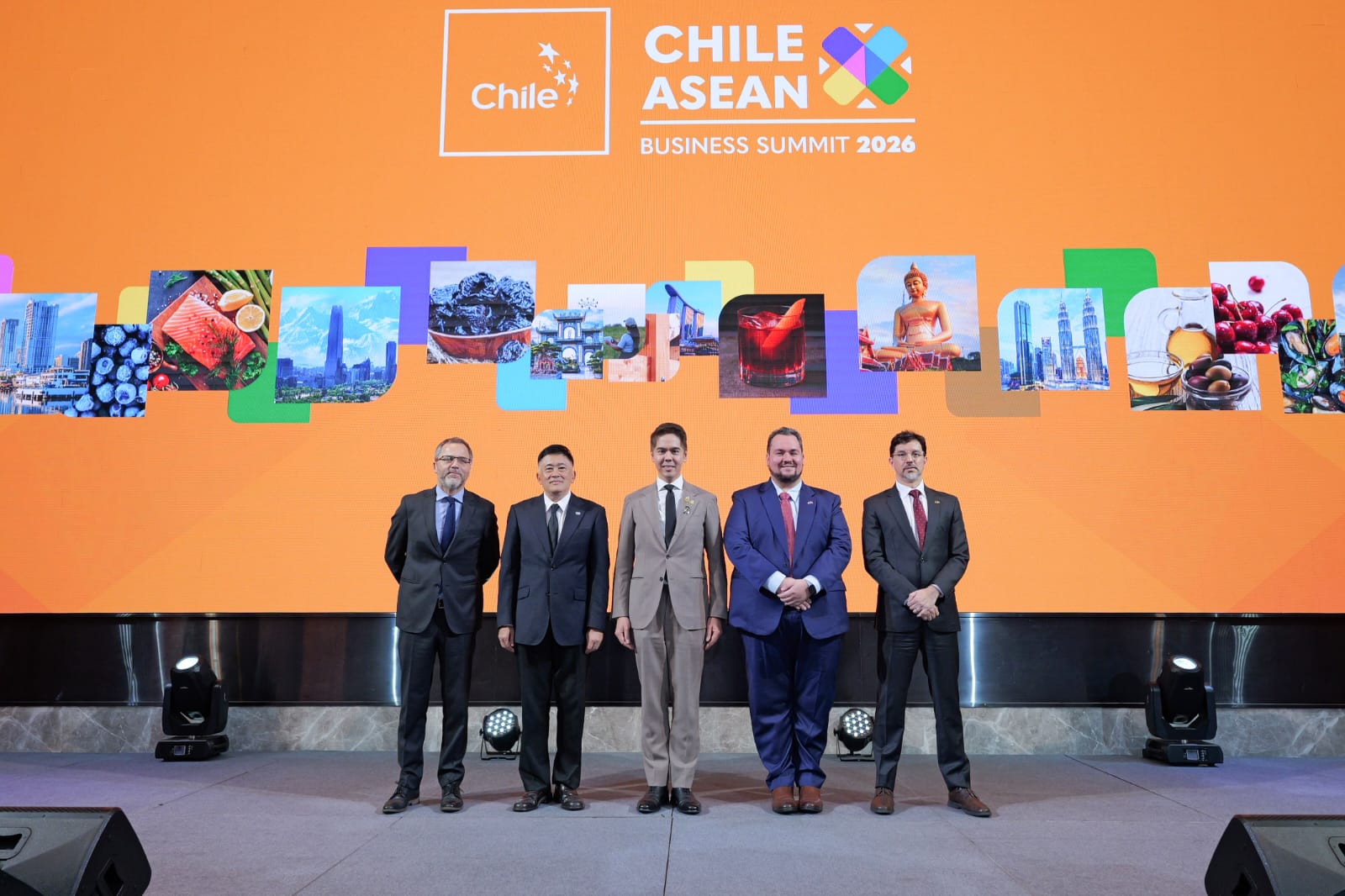
The commitment was highlighted during the Chile–ASEAN Business Summit 2026, held in Bangkok, Thailand, alongside THAIFEX-Anuga Asia, one of the largest food and beverage trade exhibitions in Asia.
For Chile, Indonesia is no longer viewed merely as a large consumer market but as a gateway to the ASEAN region, home to more than 600 million people. With a population approaching 300 million, a steadily growing economy, and an expanding middle class, Indonesia is considered a strategic long-term destination for Chilean businesses seeking to strengthen their presence in Asia.
According to Patricio Parraguez, Trade Commissioner of ProChile for Indonesia, the country’s combination of market size, rising consumer spending, and growing regional influence makes it highly attractive to Chilean companies.
“Indonesia represents one of the most significant long-term opportunities for Chile in Southeast Asia. We see tremendous potential to build broader and more sustainable partnerships,” Parraguez said.
One of the main pillars of bilateral cooperation is the food and agribusiness sector. Chile is recognized as one of the world’s leading exporters of premium food products, including salmon, shellfish, cherries, plums, walnuts, hazelnuts, and wine.
In 2025, Chile’s agri-food exports reached a record USD 24.7 billion, serving more than 180 countries worldwide.
Parraguez noted that Indonesia’s rapidly expanding middle class presents a significant opportunity for premium food products that emphasize quality, food safety, sustainability, and traceability.
In addition to products already available in Indonesia, Chile continues to expand market access through new phytosanitary agreements that facilitate the export of products such as lemons and walnuts to the Indonesian market.
“Indonesian consumers increasingly value quality and sustainability. These are areas where Chilean products have a strong competitive advantage,” he explained.
Beyond food trade, Chile is also seeking broader strategic cooperation with Indonesia in technology and future-oriented industries.
Promising sectors include aquaculture technology, seafood processing, mining technology, renewable energy, green hydrogen, and sustainability solutions.
As one of the world’s largest salmon producers, Chile has extensive experience in modern aquaculture, including fish farming systems, fish health management, processing technology, product traceability, and sustainability certification.
This expertise is considered highly relevant to supporting the growth and modernization of Indonesia’s fisheries industry.
Significant opportunities also exist in the mining sector. Chile is one of the world’s leading mining nations, while Indonesia has emerged as a key player in the global nickel supply chain, an essential component in electric vehicle battery production.
Collaboration between the two countries could enhance mining technologies, improve resource efficiency, and promote environmentally sustainable solutions.
As global demand for electric vehicles and clean energy continues to rise, such cooperation is expected to generate substantial economic benefits for both nations.
The summit brought together 28 leading Chilean companies representing sectors such as seafood, fresh fruits, meat products, nuts, forestry products, agribusiness, aquaculture services, and food innovation.
The Chilean delegation was also supported by three major industry associations: Fruits from Chile, Faenacar, and ChileNuts.
Throughout the event, more than 300 business-to-business (B2B) meetings were facilitated between Chilean exporters and business representatives from across ASEAN.
Looking ahead, Chile envisions its relationship with Indonesia extending beyond traditional import-export activities to encompass strategic partnerships in food security, technology, energy, mining, and sustainable development.
“In our most ambitious vision, Indonesia can become Chile’s leading market in ASEAN and one of our most important strategic partners in the region,” Parraguez emphasized. TS-01

Chile Eyes Indonesia as Its Main Gateway to ASEAN Opportunities Expand from Premium Food Products to Green Energy Partnerships



Bertahan Semalaman di Atas Karang
Kutsel, todaysSpil.com Malam panjang penuh ketegangan harus dilalui dua buruh proyek yang terjebak di bawah tebing setinggi sekitar 100 meter di kawasan Pura...

Tiket MotoGP Mandalika 2026 Laris Manis, Early Bird Sold Out dalam Sepekan
Jakarta, TodaysSpill.com Antusiasme masyarakat terhadap Pertamina Grand Prix of Indonesia 2026 di Mandalika International Circuit terus meningkat. Seluruh tiket Early Bird dilaporkan habis...

Tembus Panggung Dunia, ICON BALI Raih Silver Winner FIABCI World Prix d’Excellence Awards 2026
Sanur, todaysSpill.com Konsep pusat perbelanjaan yang memadukan budaya, pariwisata, dan pengalaman berbelanja...
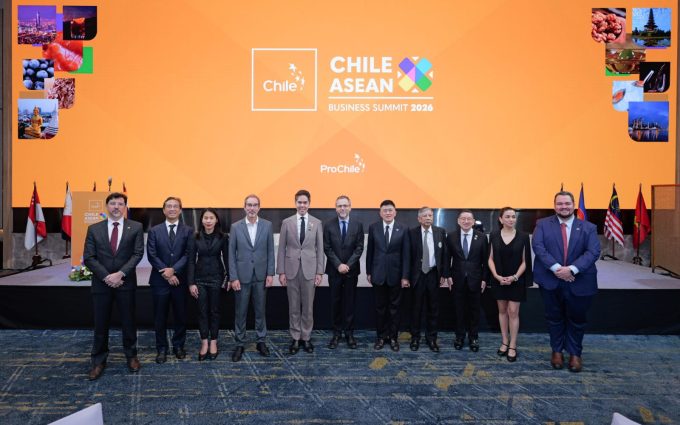
Chile Bidik Indonesia sebagai Hub Utama ASEAN Dari Pangan Premium hingga Energi Hijau
Bangkok, todaysSpill.com Indonesia kian dipandang sebagai pusat pertumbuhan ekonomi baru di Asia...

Debut Pertama di Asia, Paradisus by Meliá Bali Bidik Wisatawan Premium Dunia
Nusa Dua, todaysSpill.com Kawasan The Nusa Dua kembali memperkuat reputasinya sebagai pusat...

Menegangkan, Terjebak di Bawah Tebing, Dua Turis Rusia Dievakuasi dengan Helikopter
Pecatu, todaysSpill.com Operasi penyelamatan dramatis berlangsung di tebing curam Pantai Cemongkak, Desa...